Now There’s A Transit Trekking Resource Page

Photo of one of my filing bins with brown file folders labeled with various Washington state regions.
Not shown: a lot of stuff that belongs filed in these folders.

I’ve found some jewels that make identifying transit-accessible hiking and other outdoor exploration around the U.S. much easier and compiled them in this resource page. It lives in the main site navigation but I thought I should highlight here.

For now, it’s super simple, in an alpha list by state. Canada welcome, too — I know B.C. transit-accessible outdoor opportunity abounds just north of me here in Seattle.

Every time I update the resource page to add a new find, I also update a corresponding spreadsheet in hopes of someday creating a simple search tool on here.

In the meantime, if you know of a comprehensive resource for your region, be it city, state, county, or province, let me know using the contact form and I’ll add it. Generally I am looking to add resources that provide many options versus a single long trail, although I’ve made some initial exceptions to that in this early stage. For example, I included Boston’s Walking City Trail because I don’t know of other resources in that area (a major city in New England) and it’s a pretty long trail, and included the SF Crosstown Trail because it connects to a ton (a full ton! I weighed them) of other regional trails.

If you’re aware of a central source of transit hiking/trekking/transit to trails info that the resource page aspires to be, I’d love to know about it. Get in touch.
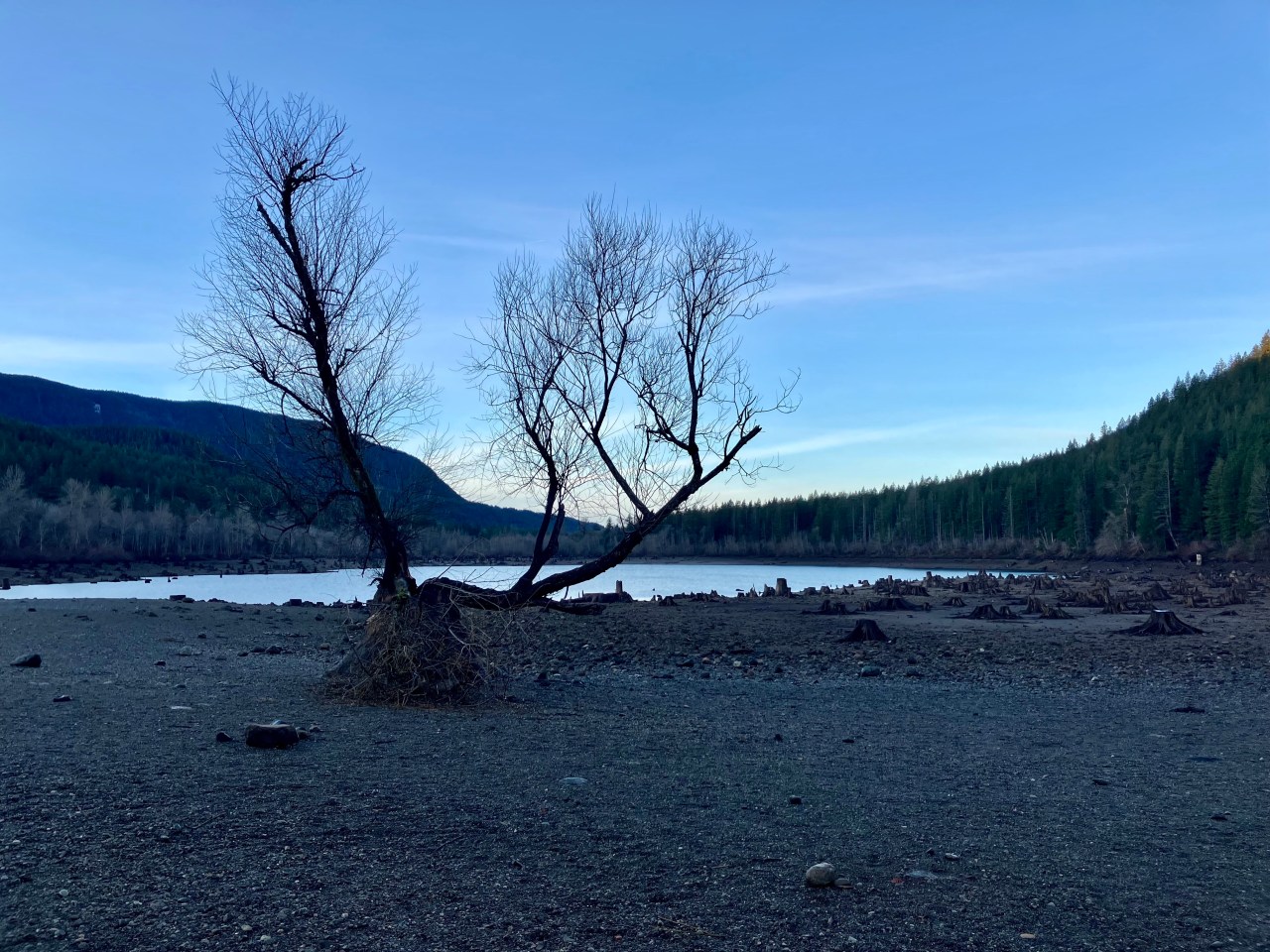
A lone, leafless tree backed by a small lake and mountains at dawn.

Two High-Impact, Low-Effort Ways to Support Transit Trekking

I’m out of office so I’m scheduling a few quick posts for while I’m away. Here are two easy things you can do that have lots of potential to spur support for transit trekking and improved transit overall.

Talk About It.

Whenever you travel for recreation, be sure to mention that you either came by transit or that you would like to. This is especially important to mention to smaller, local businesses when you’re visiting smaller communities in predominantly rural areas. These are the folks that are likely to have the ear of electeds and other decision makers, and if the small business community hears it enough, they are more likely to make sure that electeds know. I will write more about this in The Transit Trekker Manual, but if you are able to work in language about how the people in the area who depend on transit also deserve more frequent transit service, great.

Review It.

Write reviews of your trips in All the Places, and mention if you came by transit, bike, etc. and include a few details. Didn’t come by transit but know a place can be reached that way? Mention it. I have started doing this with my trip reports for hikes over at WTA. Here’s a recent one for a day hike at Rattlesnake Ledge. When I visit restaurants or stay in private campgrounds or motels or wherever while I’m on a Transit Trek, I will mention how bike-friendly or transit accessible that place is. TripAdvisor. TikTok. Yelp. Like I said: All the Places.

These are small but potentially powerful ways to show key people — small biz owners, outdoor advocacy organizations, and other travelers — that transit-based recreation is not only possible, but in demand.

View of Deception Pass bridge in the far distance, looking across the water from near Deception Pass Marina

3-day Car-free Vacations Around Washington state

I’m away this week so I’m scheduling a few quick posts sharing some of the car-free content I’ve found around the web in my research for The Transit Trekker Manual.

Here’s an old post from The Sightline Institute asking for car-free vacation ideas, with a bunch of comments offering up suggestions and experiences. Not surprisingly, the San Juan Islands and Port Townsend make a lot of appearances.

All of my vacations are car-free because I don’t have a driver’s license (fun, random fact: for some reason the WADOL styles this “driver license.”). But it’s interesting to see the interest even 15 years ago for car-free recreation options….

The photo above is from my March 2021 transit trek to Deception Pass on Whidbey Island.